Consulting Work for Product, UI/UX Consultant Resume.
Sight beyond the desk
Identity, in context.
From bank ATMs to car cabins to the front door, a Face ID sensor platform could make trusted products feel less like systems and more like environments that understand intent.
03 use cases01 platform thesisLocal by default
IR depth visualization
Illustrative depth-sensing visualization · infrared is not visible light
01
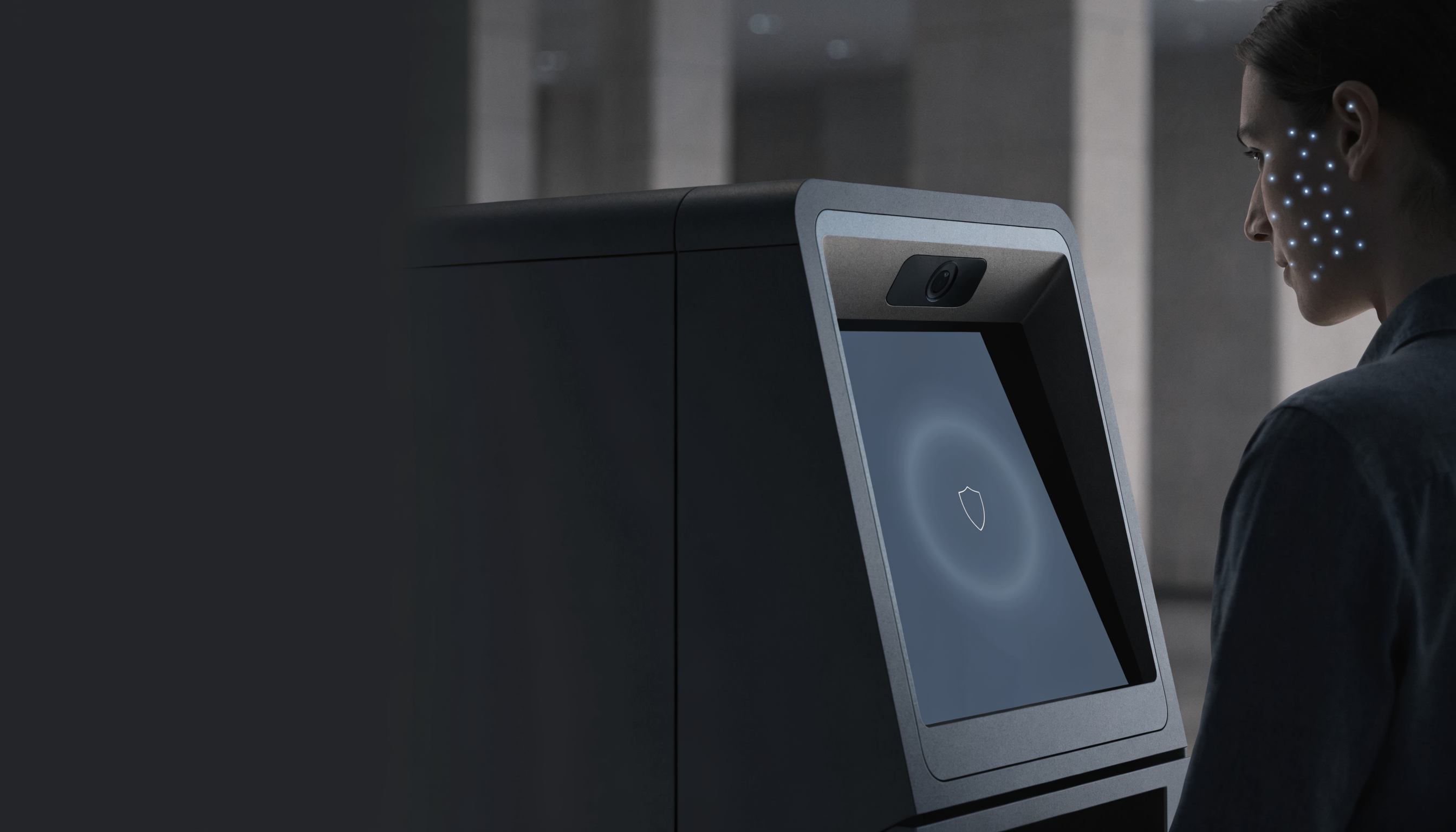
Financial access
A better way to begin at the ATM.
A consent-led, local face-verification layer can help an account holder start a cash withdrawal without making their face the only way to bank.
Opt-in 1:1 verification, never ambient identification or face search.
Face match plus liveness returns only a protected yes/no assertion.
Card, PIN, device approval, or assisted service remains available.
Illustrative depth-sensing visualization · infrared is not visible light
02
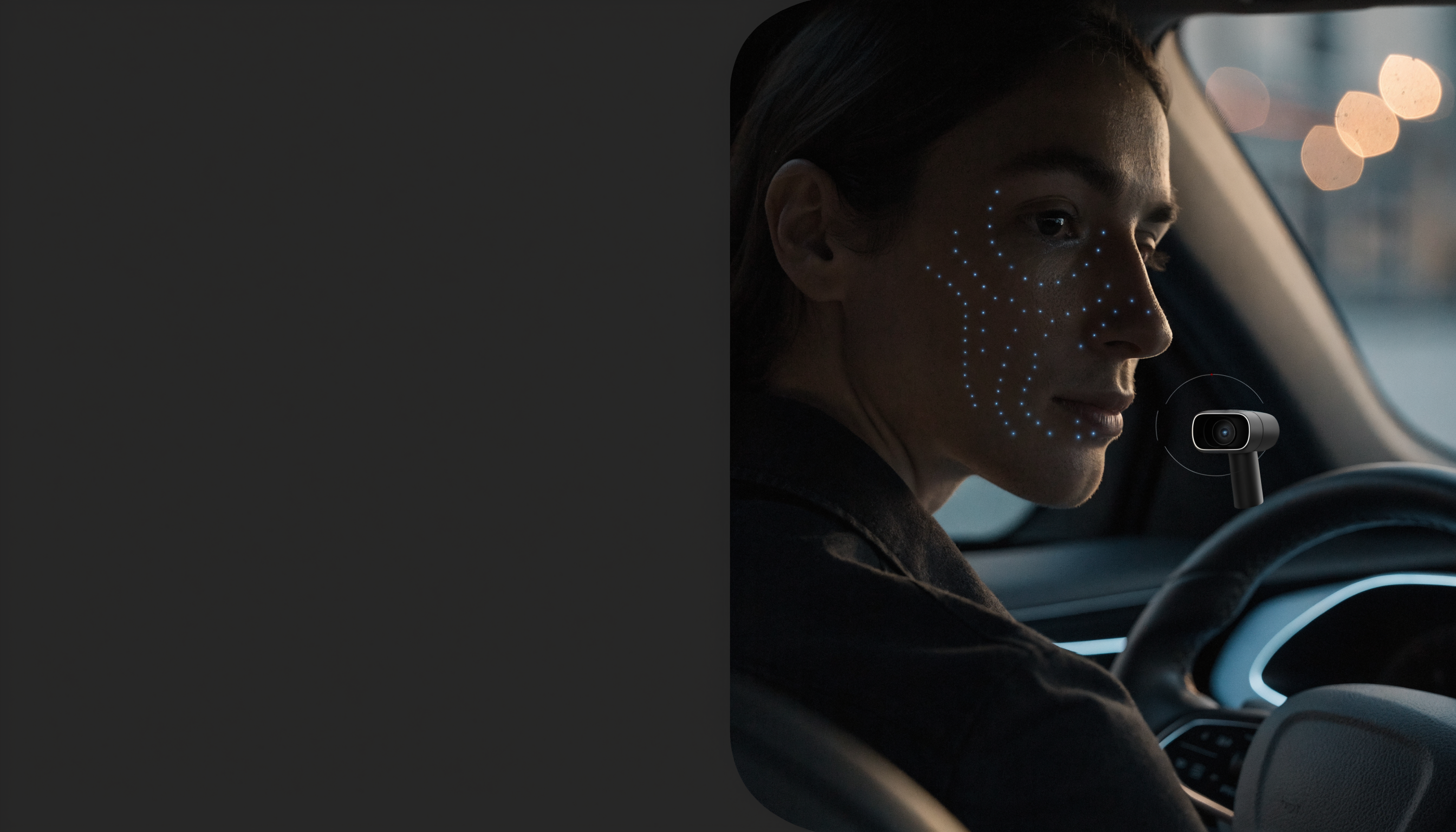
Vehicle experience
Your car, ready when you are.
A local sensor can verify an enrolled driver, recall chosen comfort settings, and provide optional advisory attention cues—without becoming a surveillance camera.
Separate permission scopes for entry, profile recall, and driver-care prompts.
No biometric cloud upload by default; templates stay inside the vehicle.
Key, PIN, phone credential, and physical controls provide safe fallback.
Illustrative depth-sensing visualization · infrared is not visible light
03
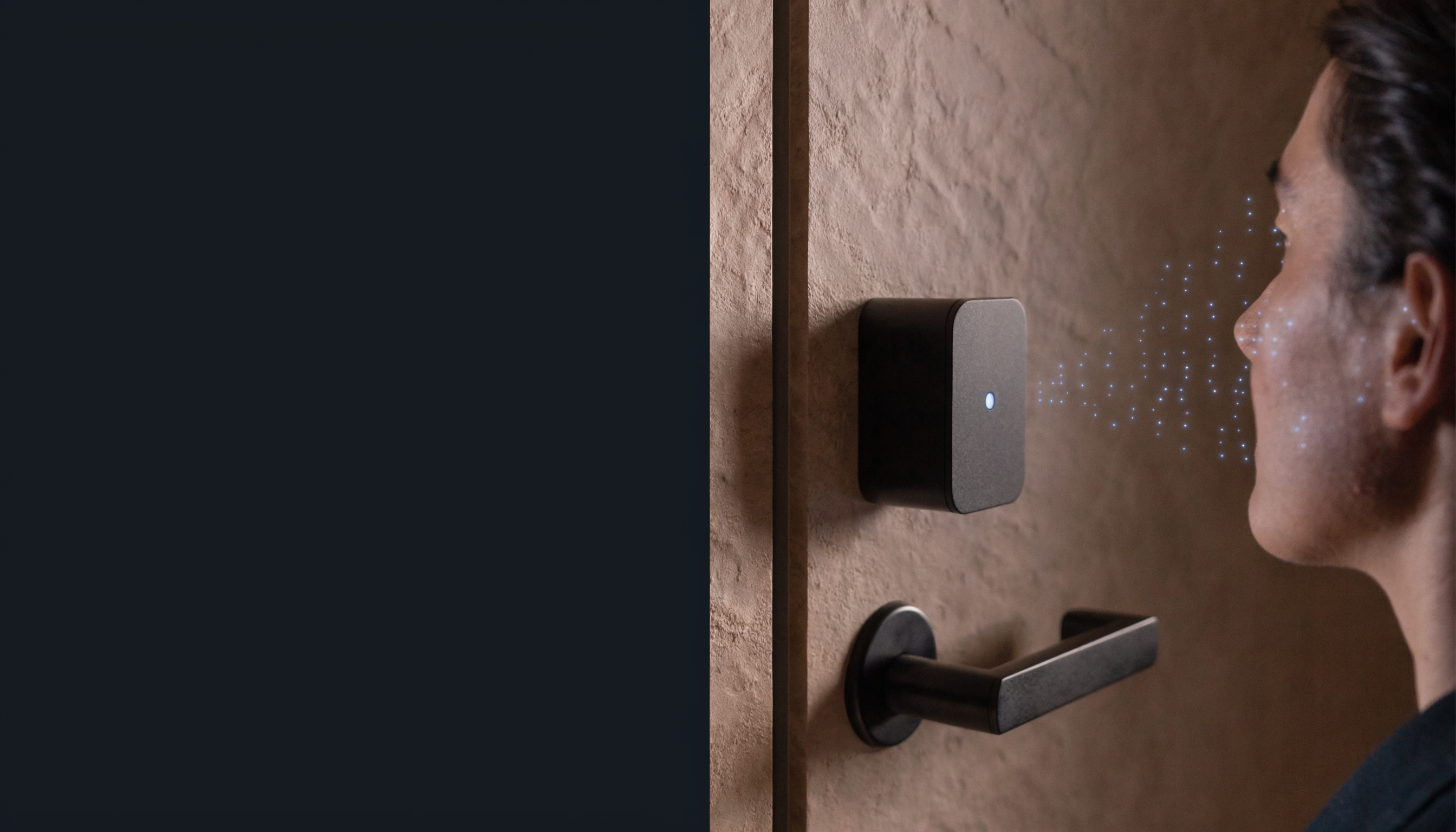
Private entry
A door that knows the difference.
At a home, office, or shared space, an invited person can deliberately invoke local verification and receive a signed access decision—without passive hallway recognition.
Face verification is off by default and never the only route to essential entry.
The reader sends the lock only the minimum signed authorization event.
Fob, mobile pass, PIN, intercom, and human assistance remain equally practical.
A platform thesis
One sensor. Many trusted products.
If Face ID became an industrial-grade platform, the opportunity would not be selling a camera alone. It would be giving developers a secure way to build identity-aware products without rebuilding the depth stack, liveness layer, or privacy model from scratch.
For developers
Build for the verification layer.
Imagine a reference sensor module, signed firmware, a local matching API, and clear consent primitives that developers can embed into ATMs, vehicles, locks, kiosks, and accessibility devices.
// local, consent-led verificationconst result = sight.verify({purpose: 'door.entry',fallback: 'mobile-pass'})→ signed assertion · no image returned
The contract
Trust should be built in.
Local template and liveness processing
Purpose-bound, user-visible consent
Signed yes/no results—not raw face data
Non-biometric fallback as a first-class API
Independent security and fairness testing
01Sense
Reference depth hardware captures only when the user invokes a declared purpose.
02Decide
A protected local runtime evaluates liveness and a 1:1 match.
03Compose
Developers create the surrounding product flow with clear fallbacks.
04Assert
The host system receives a short-lived signed result and nothing more.
This is a product consulting hypothesis for Izem Guendoud’s Sight prototype—not an announcement of an Apple hardware or developer program.
Non-negotiables
Convenience needs consent.
Never ambient.
No crowd scanning, face search, watchlists, or passive hallway recognition.
Never alone.
Face verification supports a product flow; it never replaces keys, cards, PINs, human help, or essential access.
Never opaque.
Every capture has a declared purpose, visible state, clear fallback, and deletion or revocation path.
Product consulting · Izem Guendoud
Make identity feel intentional.
This page is an independent platform exploration for the Sight prototype—an exercise in turning one sensing capability into a family of human-scale product experiences.
 Illustrative depth-sensing visualization · infrared is not visible light